
Most of you probably know, I was a huge fan of the first episode of The Walking Dead video game by Telltale Games. Heavily anticipating for the longest, I was extremely exciting when Episode 2 was released. Was I impressed with the second episode as much as the first? Read on to find out.
The Story & Its Delivery

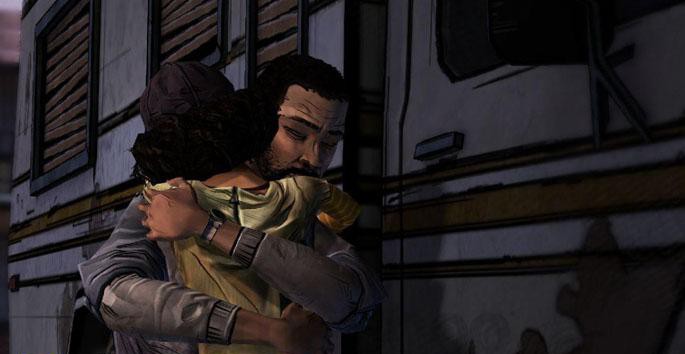
The second episode, titled Starved for Help, takes place three months after episode 1. Lee is still the playable character, and he is still protecting Clementine inside the motel, along with the other survivors. As mentioned in my review of the first episode, I was extremely excited to see how much of a role ‘choice’ plays in the long run with future episodes. Episode 2 is the first example of what to expect, and it shows. The relationship between Lee and Clementine, the loyalty of other characters and the stories you may have told in episode 1 are all looked back at in episode 2. So be sure to keep good memory or you might wind up with some poor outcomes in the long run.
Like the first episode, choice plays an important role this time around as well. Starting from picking who you pass out the remaining rations of food to, players will begin to develop their character of Lee far more than in the previous episode. This, of course, also builds a relationship between Lee and the other characters of the game. However, things take an odd turn when players are introduced to another family of survivors at a local farm. The family at St. John’s Dairy Farm sets up an even trade – gas for food. This family seems normal at first, but players may start to become skeptical towards these newcomers. The big question is whether they are simply out to protect and survive or something more? These are only some questions players will need to ask themselves when making some really difficult choices. Some of these choices come at players so quick, that the first instinct is one they may soon regret. This is a feeling I hardly feel from games that require players to make choices, and I’m glad to have had the experience with such an outlandish game. All in all, the game’s story only seems to improve and even get grittier and darker with this second episode.
Gameplay & Graphics

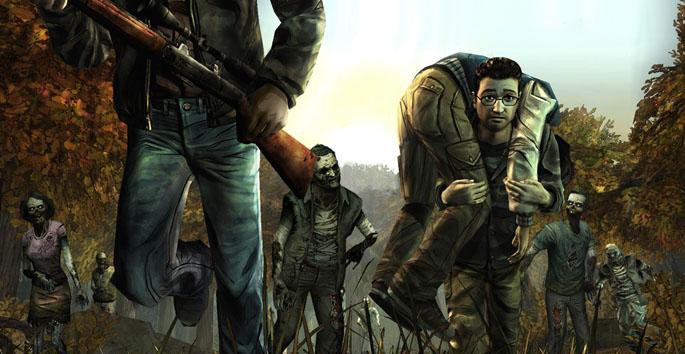
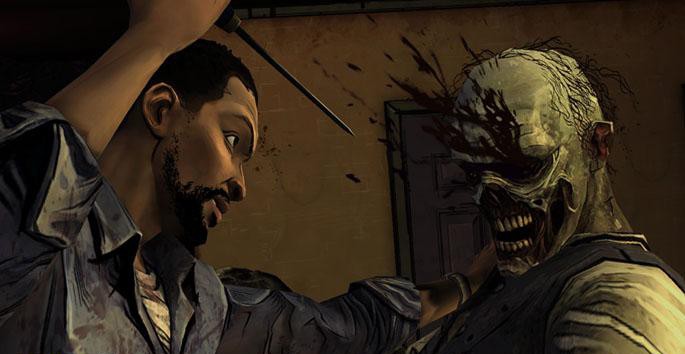
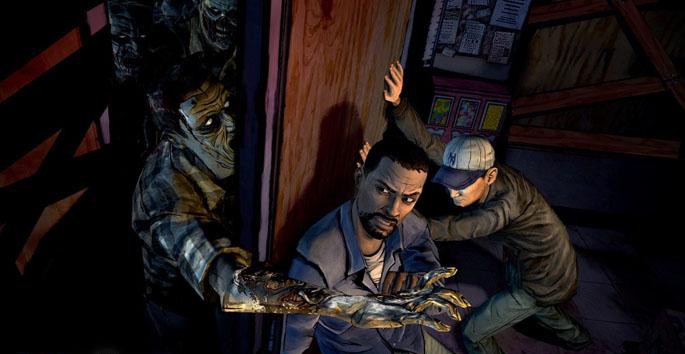
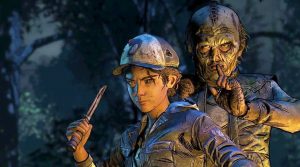
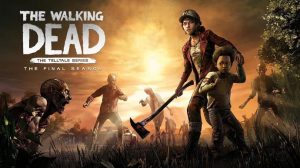
The game still looks great, with its cel shaded graphics and comic book style. Gameplay hasn’t changed, and it still feels unique and great. However, the hiccups from the first episode seem to get worse this time around. Again, this is unfortunately common with Telltale’s episodic games. The occasional hiccup and break between cutscenes and the animations will slow down between breaks as well. Voice acting is still great, but the writing can still get a bit questionable at times. These aren’t huge gripes, but they do draw away from an otherwise spectacular experience.
One of my problems with the first game was a lack of puzzles. The second episode still lacks puzzles, but this time I’m realizing that it isn’t truly a gripe. Puzzles would make this feel more like a game, and clearly Telltale is trying to aim for a more cinematic experience with this title. So in a sense, it is a better idea that puzzles remain rare and inconsistent in this title.
Closing Comments
In many ways, Starved for Help improves from the first episode. The story is heading in a different, darker direction that I’m taking a liking to. The choices are starting to flesh out more, allowing players to truly develop this character of Lee and the relationships around him. I’m looking forward to seeing how some of these decisions will play out in the third episode. The many hiccups and glitches certainly do draw back from the experience, but they are in no way a game killer. If you enjoyed the first episode, there is a lot to love in the second. A deeper experience all around, this series looks to be heading in one fantastic direction.
The Good
- Story is still great, and even takes a darker, grittier tone
- Voice acting only gets better
- Cel-shaded graphics still look vibrant and great
- Gameplay is still unique and inventive
- Choices are far improved from the first episode, allowing players to truly develop the character of Lee
The Bad
- Still some odd writing at times
- The game hiccups and breaks get worse the second time around